Lorem ipsum dolor sit amet, consectetur adipiscing elit. Suspendisse varius enim in eros elementum tristique. Duis cursus, mi quis viverra ornare, eros dolor interdum nulla, ut commodo diam libero vitae erat. Aenean faucibus nibh et justo cursus id rutrum lorem imperdiet. Nunc ut sem vitae risus tristique posuere.
The department and OriginsNext have listened to the views of fishers and concerns about the scope for what is tagged in the Coral Traceability Solution. We have also revisited the objectives of the program and what we need traceability to demonstrate.
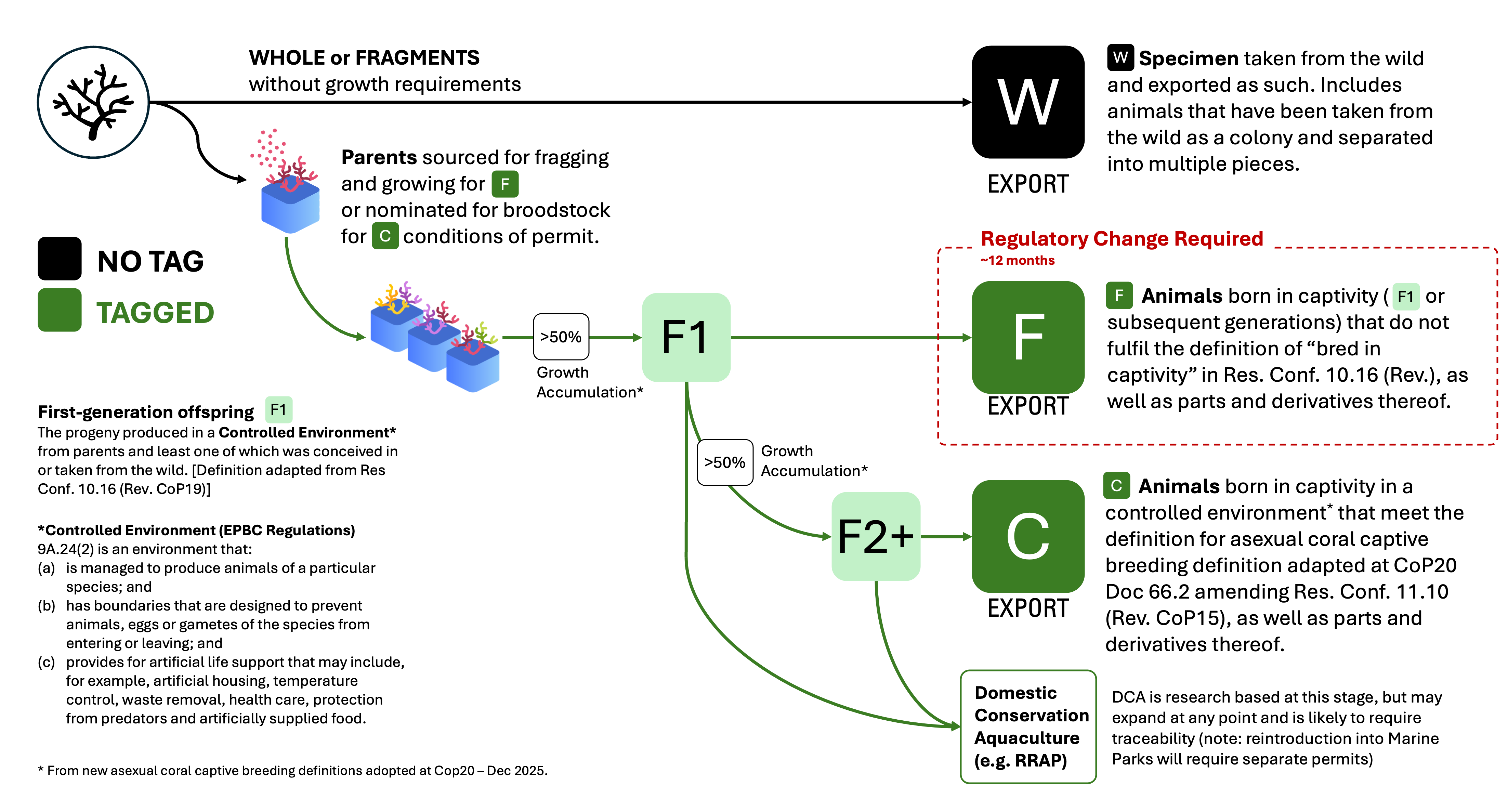
Given this, we have decided that the traceability solution will focus on tagging and tracing corals that are destined for export under both ‘F’ and ‘C’ codes. This means the requirement to chip and trace all wild coral (under an ‘W’ code) will not be within the scope at this time.
This focus will still enable the Australian Government to distinguish between wild, fragmented and captive bred coral, which is one of the key objectives of the program.
The department and OriginsNext will be engaging with several importing Parties to support end of country testing of the traceability solution when corals arrive in their country under an export permit.
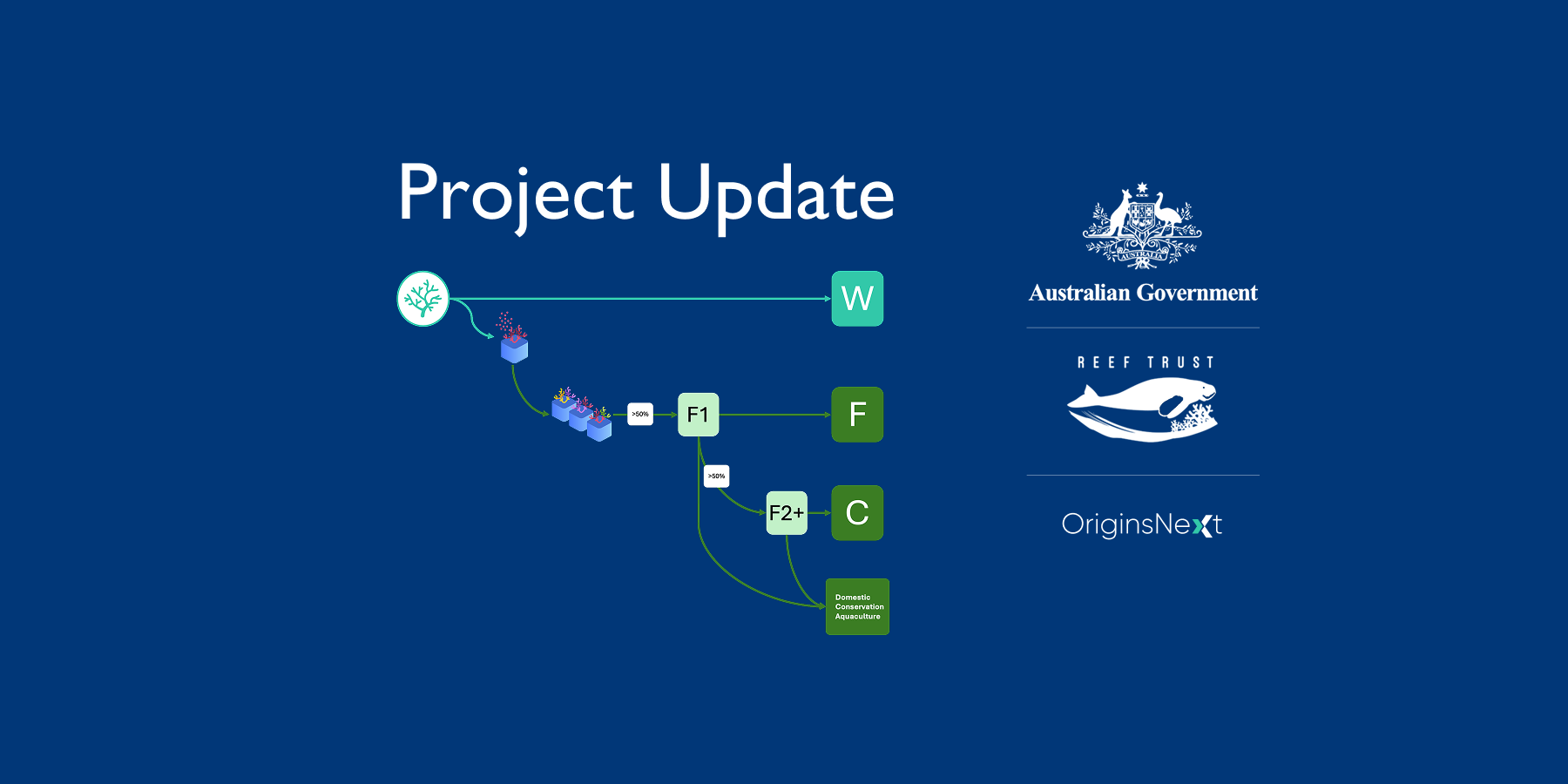
A visual depiction of the Coral Traceability Solution scope
Objectives for the Coral Traceability Solution
Traceability is the ability to access information on specimens and events in a CITES species supply chain. The objectives that underpin the traceability solution that will be used to track and trace corals through the supply chain are:
Accountable and justifiable: To ensure a level of accountability for product with minimal additional burden.
Trusted: The solution is able to be validated (and is failsafe).
Secure: The solution must not be susceptible to tampering.
Comprehensive: The solution works from end to end, and encompasses complexities such as mortality, trimming and discards.
Innovative: The solution must consider current best practices in traceability and align with national and international standards.
Practical: The solution must be useable, timely, and must allow for integration into existing systems. The solution must not have an impact on product health/viability of product.
Harmonising and complementary: The solution must meet external regulatory standards and is complementary and mutually supportive of existing traceability systems relating to trade in CITES-listed species (CoP17 Decisions 17.152-17.155).
Adaptable: The solution can incorporate future taxonomic revisions if required.
Remedial: The solution provides solutions to key industry pain points along the supply chain through to export.
Scalable: The solution will encompass Australia’s coral fishery industry as a holistic approach.
Requirement for traceability
There are multiple drivers for traceability including:
International trade in the species included in the Appendices of the CITES Convention must fulfil three conditions: legality, sustainability and traceability.
As a party to the Convention, Australia must put in place measures to enforce the provisions of the Convention. Formal traceability systems are becoming more common, particularly for species where there is concern over sustainability, illegal trade or just simply social licence concerns.
Australia can also enact stricter domestic measures under CITES, which is the case for our treatment of captive breeding programs under the EPBC Regulations when it comes to closed systems and introduction from the wild.
While a legislative pathway for ‘F’ code coral has not yet been enacted in the Regulations, implementation of a traceability system that gives us confidence that we can track, trace and distinguish ‘F’ code coral from other forms will help enable this. This will be a priority to progress alongside development of the traceability solution.
The World Heritage Committee has indicated some concerns with the Queensland coral harvest fishery. While this has not enacted any requirements, it has resulted in the Australian Government funding sustainable fishery initiatives for the Great Barrier Reef, which include a Coral Traceability Solution.
For any questions and to enquire about getting involved in the project, you can contact the DCCEEW team via email at coraltrace@DCCEEW.gov.au


.svg)
.svg)