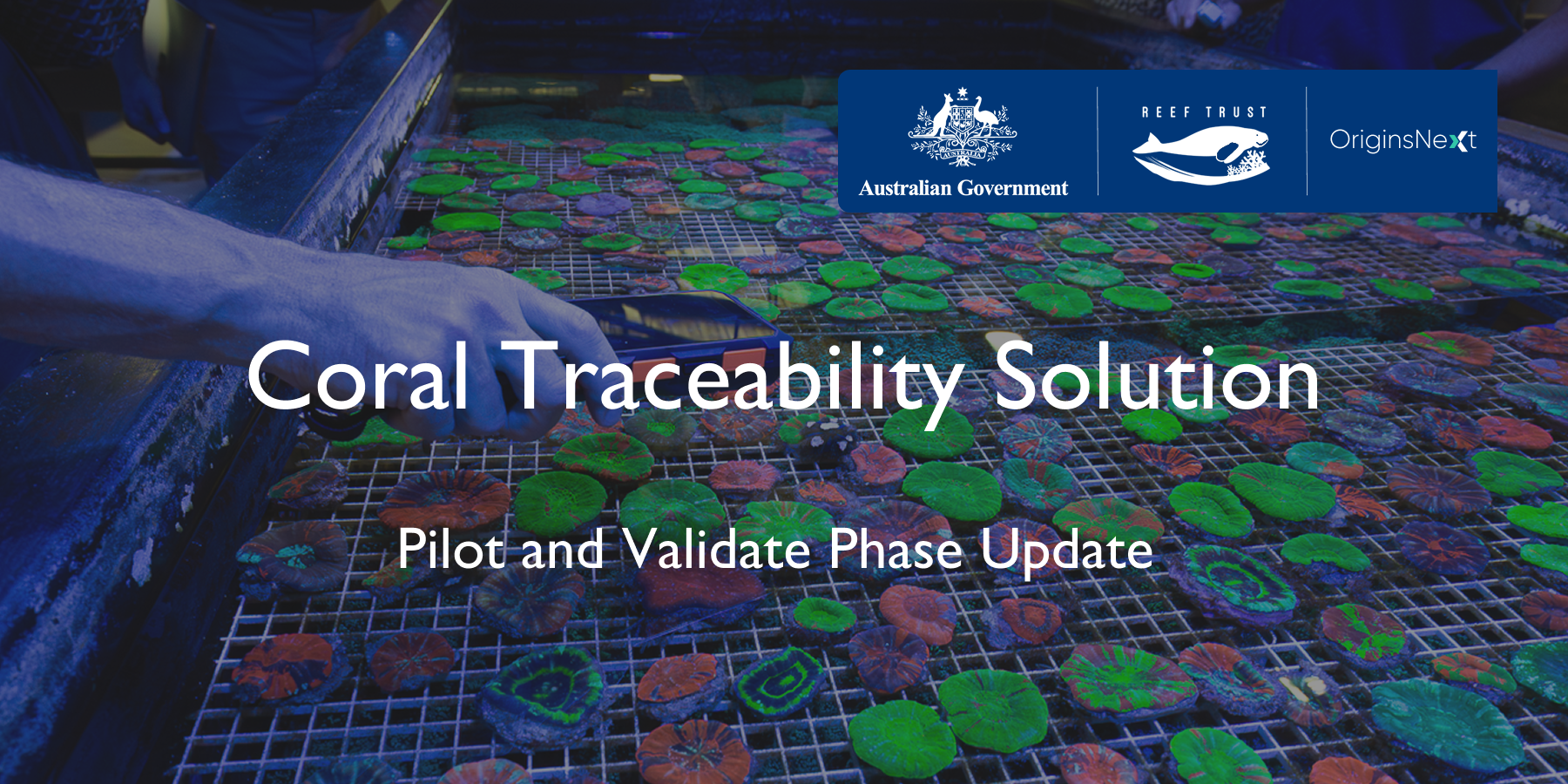
Solução de Rastreabilidade de Corais: Avançando para a Fase de Piloto e Validação
A Solução de Rastreabilidade de Corais (CTS), um projeto liderado pelo Departamento de Mudanças Climáticas, Energia, Meio Ambiente e Água (DCCEEW), é pioneira no mundo ao combinar hardware robusto, seguro para animais vivos e ambientes marinhos, com uma plataforma digital segura para apoiar o registro de procedência de corais de Queensland e as obrigações da Austrália junto à CITES. O CTS garantirá que um coral etiquetado possa ser rastreado por pescadores, órgãos reguladores e clientes atacadistas ao longo da cadeia de suprimentos até o consumidor final. Após o desenvolvimento e a construção da solução, a próxima etapa do projeto é a fase de Piloto e Validação.
Conclusão: Construção e Refinamento
O foco principal da fase de Construção e Refinamento (março a maio de 2026) foi criar um protótipo funcional das aplicações web e móvel do CTS, com base em contribuições operacionais e técnicas da indústria e dos órgãos reguladores, e validá-lo em processos comerciais e regulatórios do mundo real.
Durante esta fase, nós:
- Testamos e refinamos o hardware, incluindo o desafio de identificar a aplicação de etiquetas correta, que fosse segura para animais vivos e adequada ao ambiente marinho
- Aproveitamos as consultas com as partes interessadas para refinar o produto mínimo viável
- Realizamos visitas técnicas para identificar requisitos adicionais
- Geramos interesse na indústria em geral sobre a rastreabilidade
Este trabalho baseou-se no amplo envolvimento realizado nas fases de Engajamento e Design e de Construção e Refinamento. A equipe do CTS interagiu com a maioria dos detentores de licenças QCF e operadores de reprodução em cativeiro, além de ter se envolvido com diversos departamentos e órgãos reguladores estaduais e federais.
A Fase de Piloto e Validação
A fase de Piloto e Validação ocorrerá de junho a agosto de 2026. O foco é testar todos os componentes da solução de rastreabilidade com a indústria e os órgãos reguladores em ambientes operacionais reais. Atualizações iterativas no CTS serão feitas ao longo do processo, com base no feedback dos participantes do projeto-piloto. O envolvimento de todas as partes interessadas durante esta etapa é fundamental para alcançar um sistema adequado às necessidades e fácil de usar.
O piloto está programado para começar no final de junho de 2026 e durar aproximadamente um mês, com os participantes utilizando a solução em paralelo aos seus processos atuais. Durante o piloto, os participantes irão:
- Etiquetar e rastrear espécimes de coral em suas próprias instalações usando o aplicativo móvel CTS
- Registrar eventos reais de rastreabilidade, incluindo fragmentação, reprodução, atualizações de crescimento, mortalidade e transferências de corais entre instalações
- Gerencie pedidos, anexe autorizações e licenças e gere SERs por meio da aplicação web
- Forneça feedback estruturado sobre a usabilidade, a adequação aos processos de negócio existentes e quaisquer lacunas identificadas
Os órgãos reguladores acessarão o CTS para visualizar espécimes e pedidos de todos os pescadores participantes, testando o CTS em relação aos seus processos regulatórios e capacidades de relatório existentes. A equipe do CTS manterá um contato próximo com os participantes do projeto-piloto durante todo o processo.
Os objetivos a seguir nortearam o design da solução e serão usados para avaliá-la durante o projeto-piloto:
- As operações e decisões de ponta a ponta devem ser registradas pelo sistema para atender aos requisitos da CITES e às exigências nacionais
- A solução deve incorporar tecnologia inovadora que permita aos participantes o uso em tempo real e ofereça rastreabilidade de melhores práticas para apoiar as aplicações de negócio
- A solução deve ser prática e adaptável para permitir a integração com sistemas existentes, tanto para órgãos reguladores quanto para aplicações do setor
- A solução deve ser complementar aos padrões externos existentes, permitindo o comércio global de espécies listadas na CITES e o reconhecimento de normas nacionais e internacionais de rastreabilidade
- A solução deve ser confiável, e o sistema deve ser um ambiente seguro e de confiança
Próximos passos
Após o projeto-piloto e as subsequentes atualizações da solução de rastreabilidade, a implementação do CTS está prevista para o final de 2026.
Para mais informações sobre a Solução de Rastreabilidade de Corais, visite OriginsNext.


.svg)
.svg)