The trade already meets world-leading standards, but the supply chain lacks a common digital thread.
Records are fragmented across breeders, holding facilities and exporters.
Without proof of legality, sustainability and traceability, exporters face uncertainty at the border.
The sustainable practice the industry already follows can't be readily shown to markets.
Select your role to see how AWTS delivers value where you sit, from breeder and holding facility through to exporter.
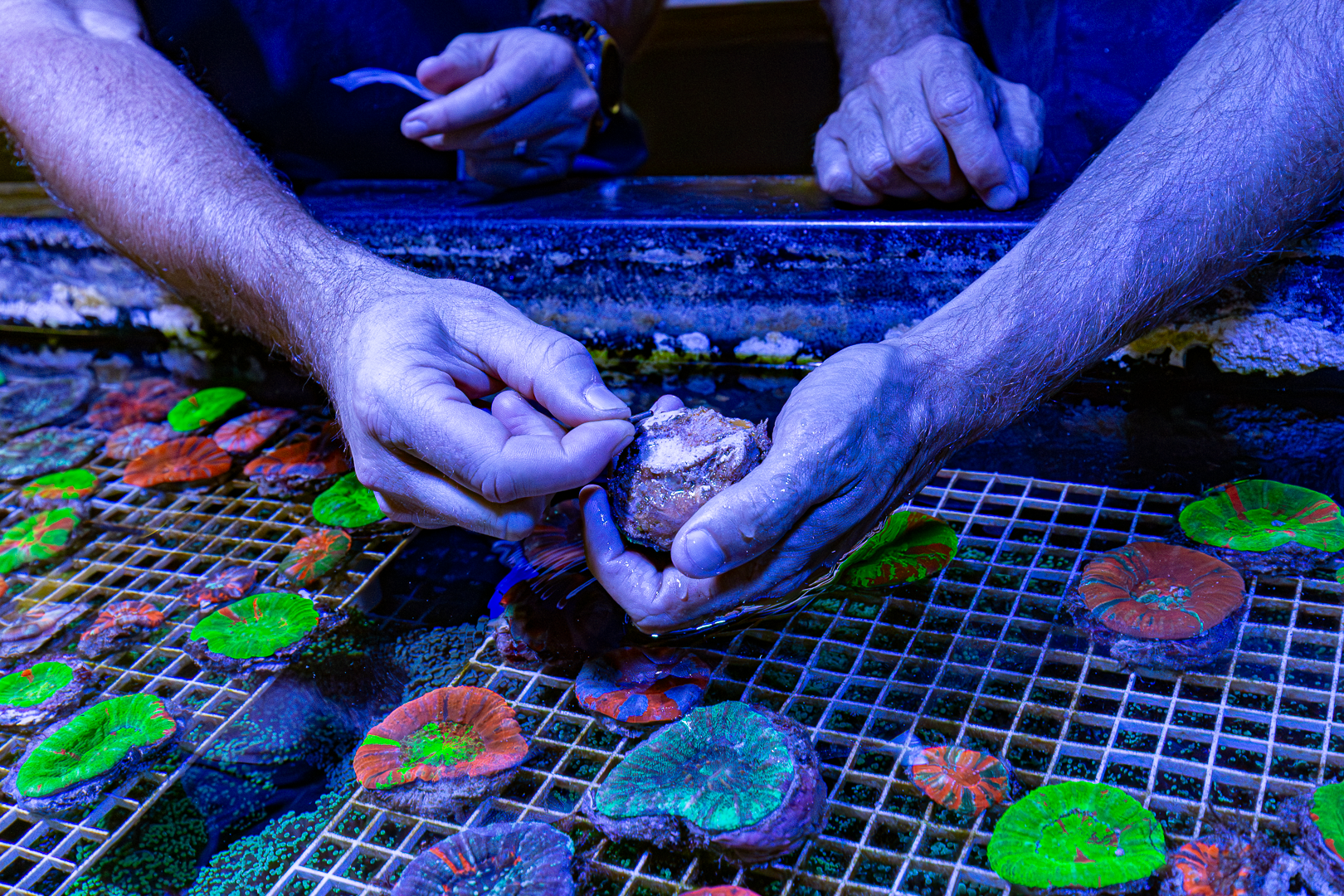
For coral farmers and captive-breeding facilities, proving a specimen is genuinely farmed or captive bred has meant paper records that are hard to validate at export. AWTS establishes each coral's identity at origin using marine-grade, live-animal-safe RFID, so provenance is captured once and travels with the specimen.
Generate verifiable evidence distinguishing your farmed and captive-bred coral from wild, meeting a core CITES traceability objective.
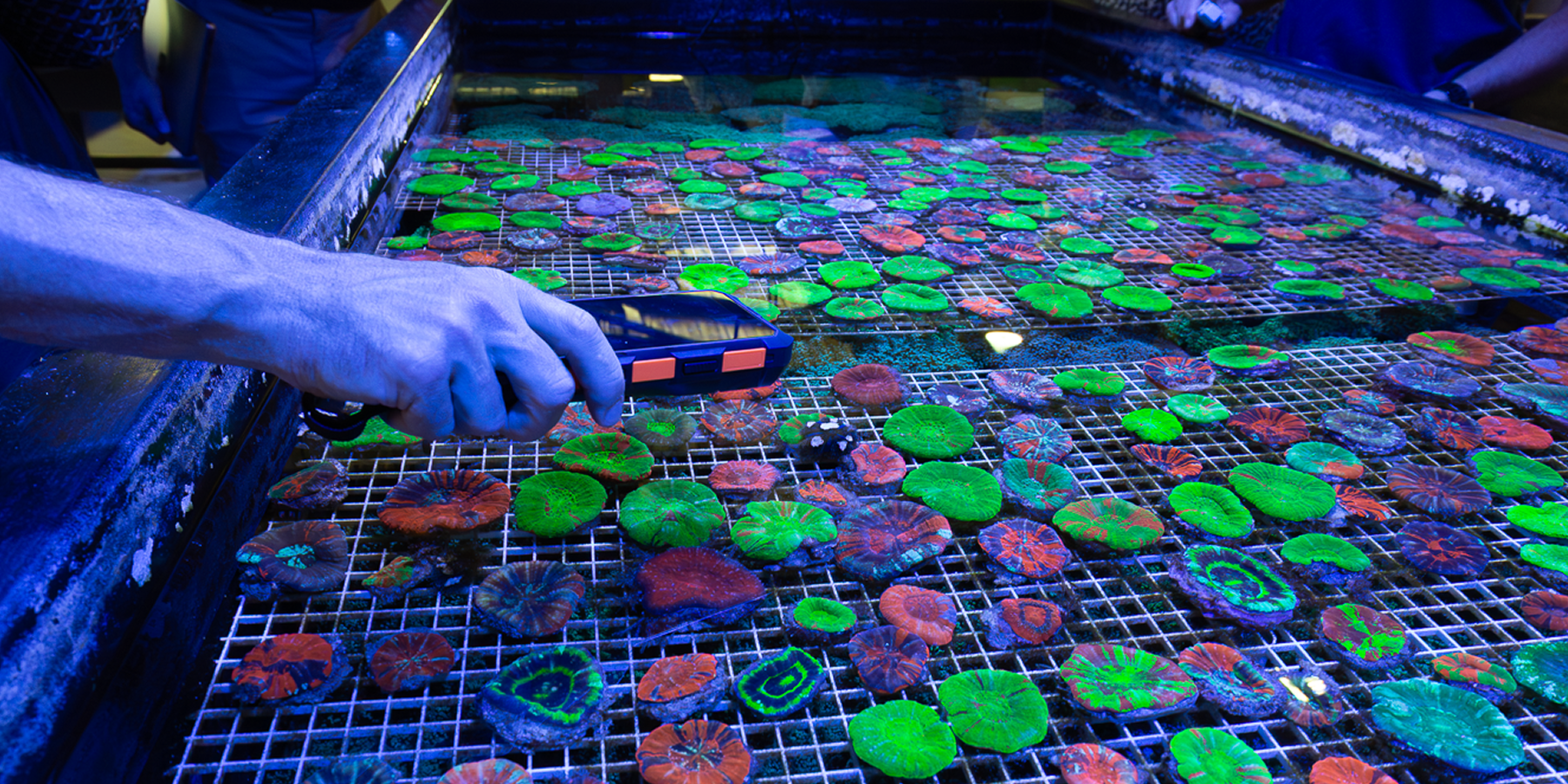
Adopt tracking hardware that government trials confirmed has no discernible effect on coral health.
Integrate traceability into existing workflows with minimal burden; trials found no increase in processing time.
Assign a unique, tamper-evident RFID identity to broodstock and parent colonies, so every specimen and its lineage traces back to a verified origin.
Capture propagation events against the parent record, so 'F' (Farmed) and 'C' (Captive Bred) status is documented as it happens.
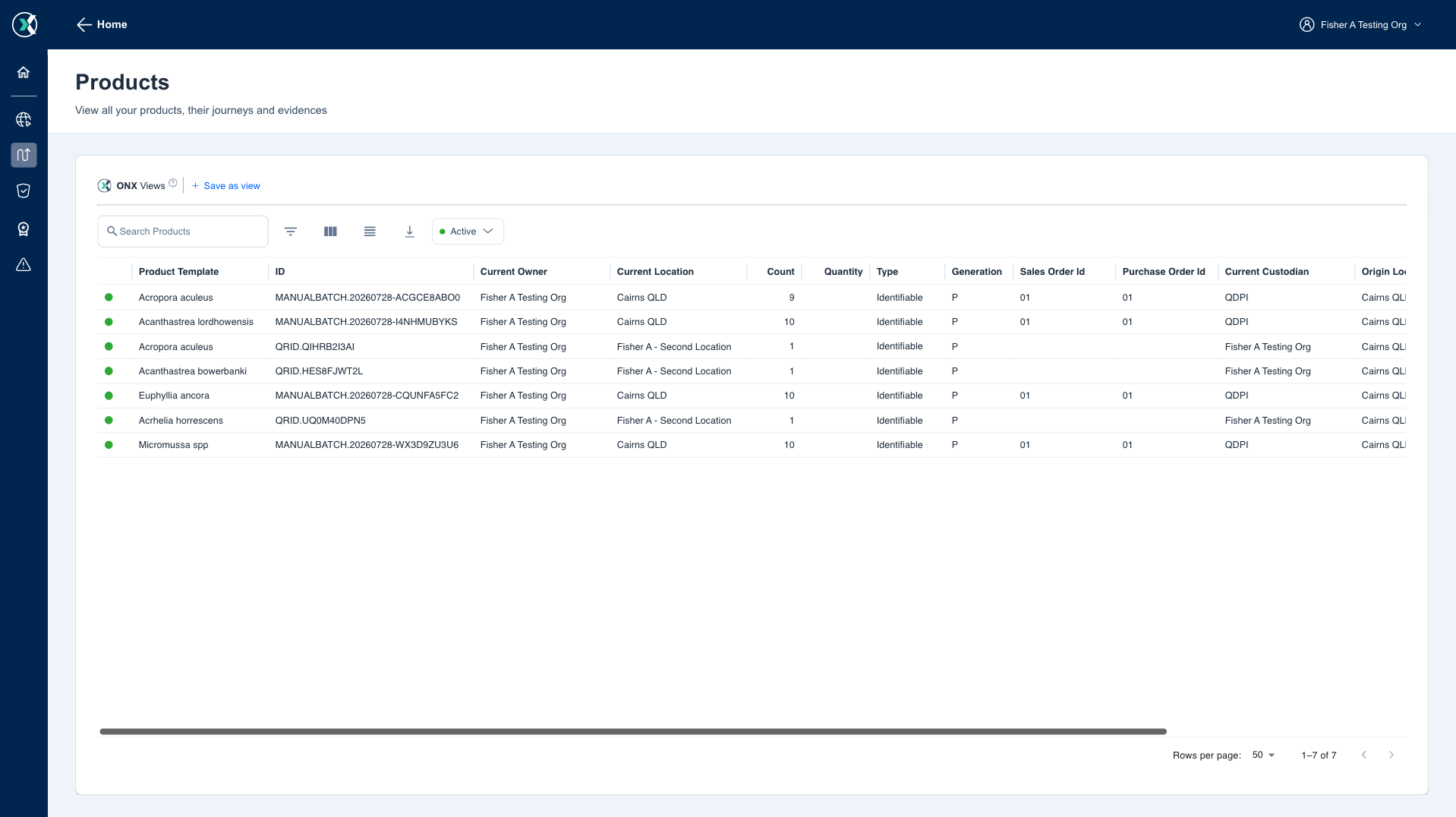
Keep a real-time view of holdings and record mortality, trimming and discards, so the digital record mirrors the physical facility.
Holding and handling facilities receive coral from many sources, and each transfer is where paper records lose the link to a specimen's origin. AWTS keeps that link unbroken, scanning specimens against their digital record as they are received, held and moved.
Preserve verifiable provenance through every handover, so a specimen's origin stays defensible however often it changes hands.
Rely on a solution built to be secure and validated at any point in the chain.
Hold accurate, real-time records that stand up to regulators and importing Parties.
Scan incoming coral to confirm identity against its digital record and log the change of custody, so nothing enters without a verified trail.
Track holdings, transfers and location within the facility in real time, replacing manual stocktakes with a live, accurate register.
Capture attrition, trimming and discards against each record, so the digital inventory reflects the physical reality at all times.
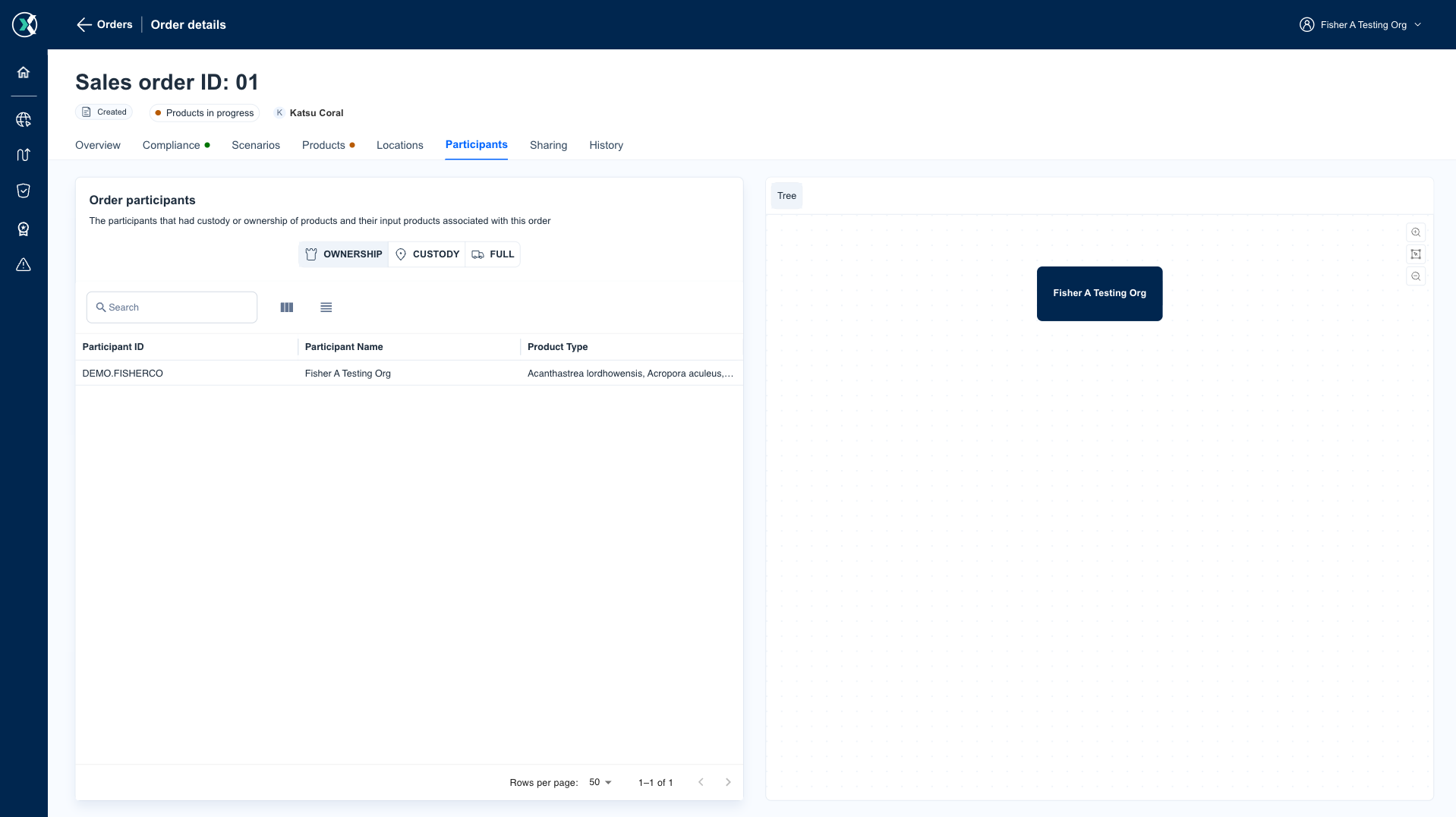
Exporters carry ultimate responsibility for Australia's CITES obligations and importing countries' requirements, yet assembling documentation from fragmented records is slow and risky. AWTS turns export into a data-backed workflow, building orders from verified specimens and linking every manifest item to its immutable history.
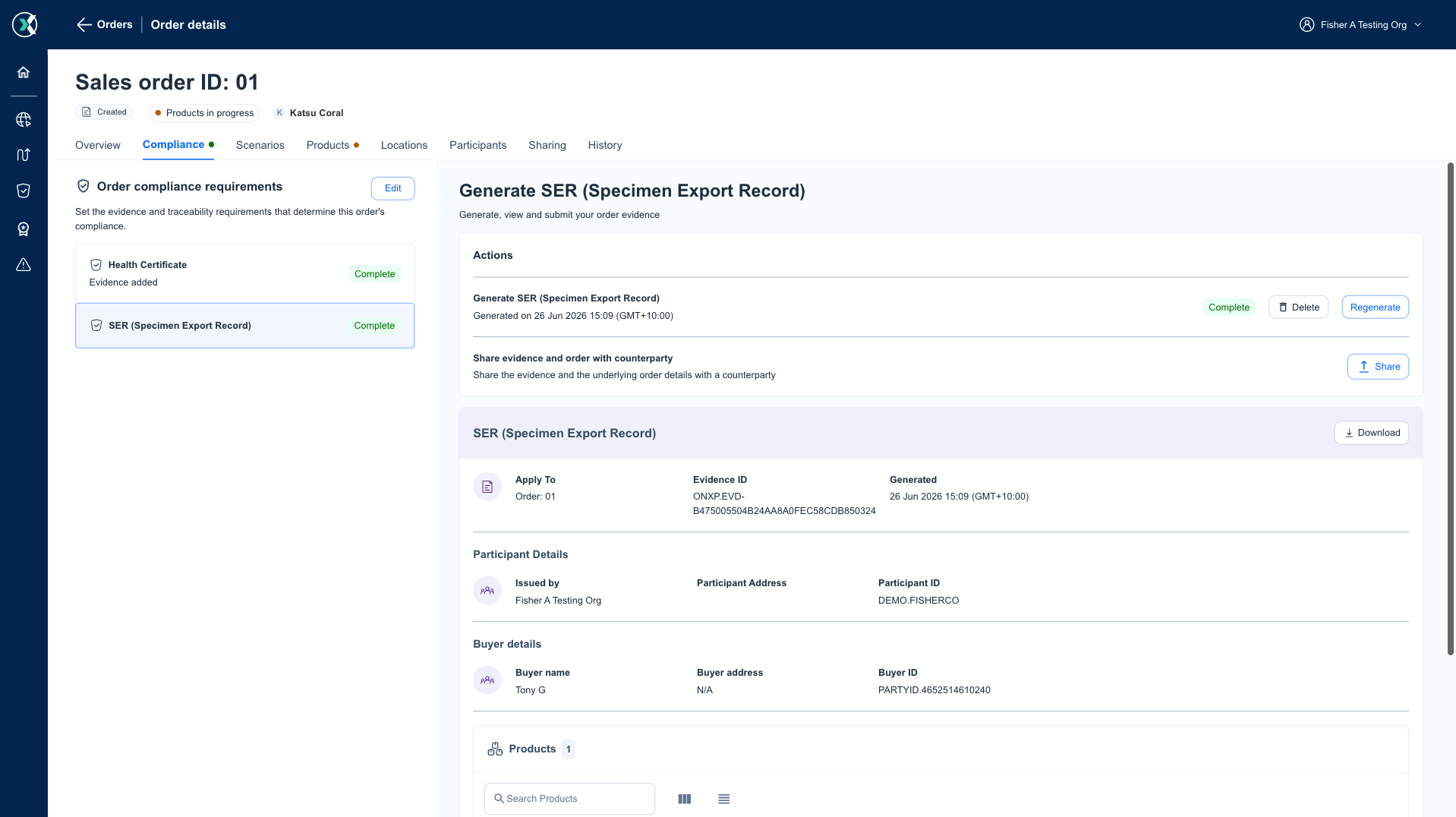
Support CITES Appendix II export with documentation generated from verified data, reducing manual effort and border uncertainty.
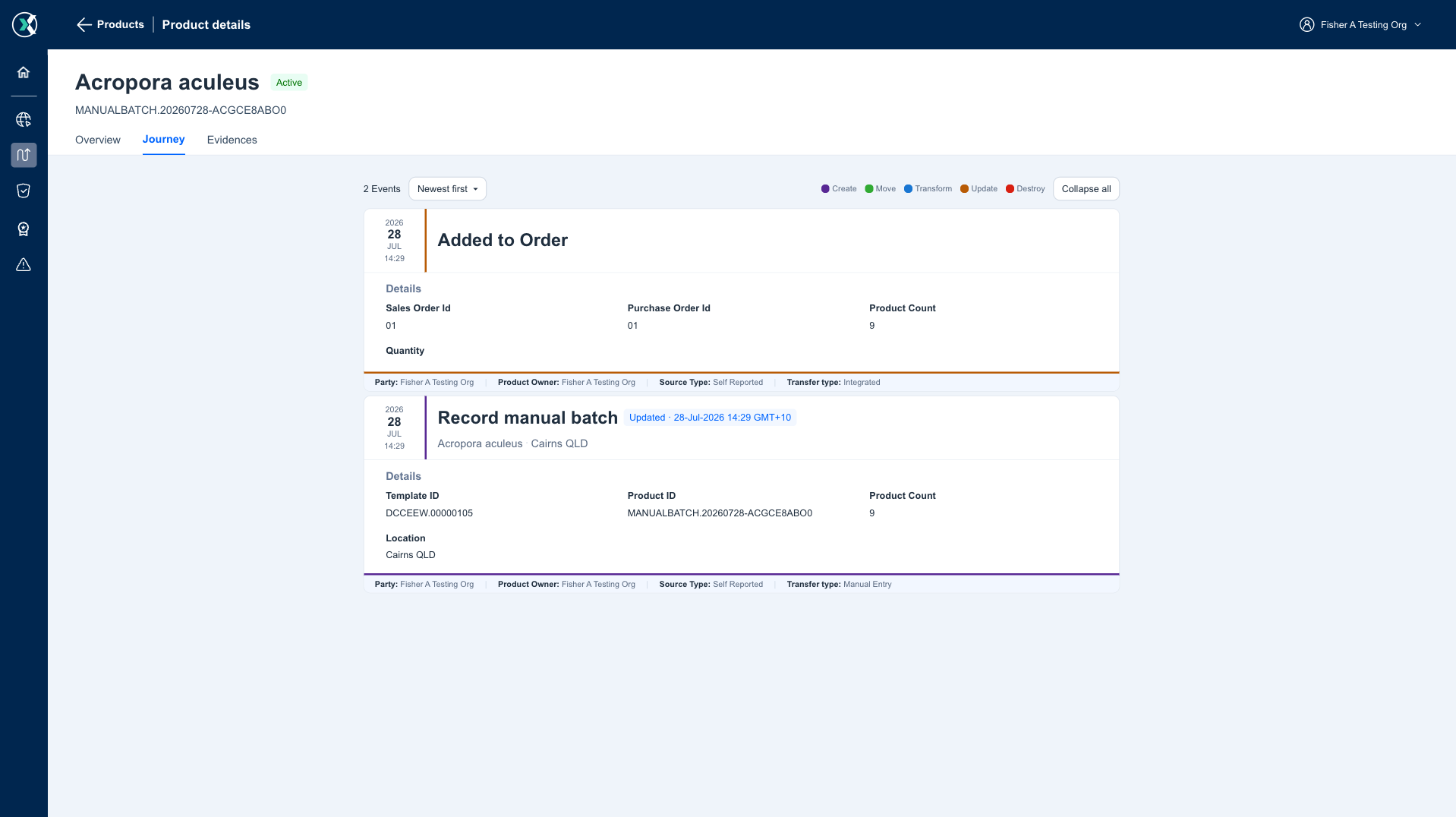
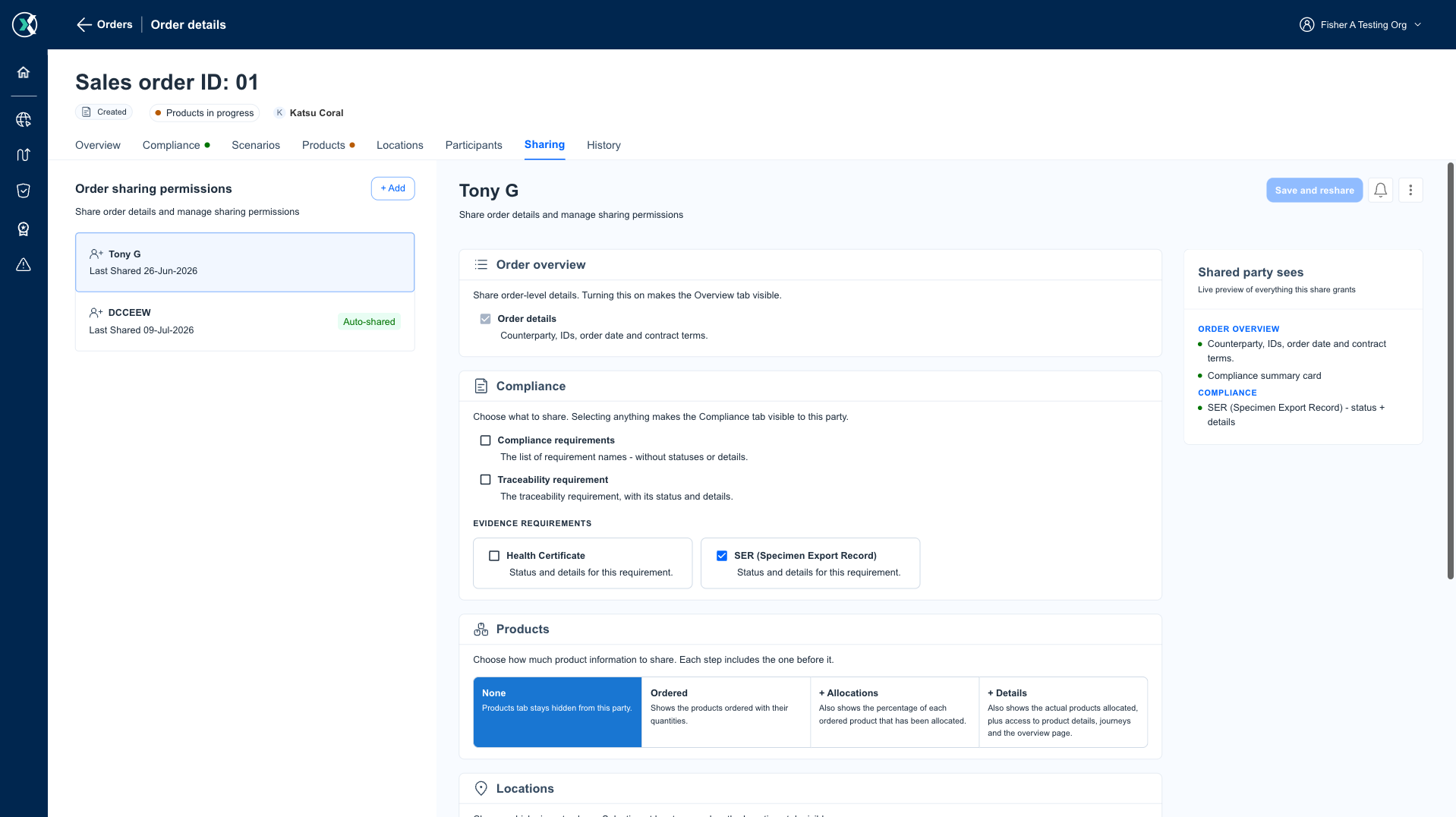
Give importing Parties visibility of each specimen's journey, supporting verification on arrival.
Demonstrate legal, sustainable and traceable trade to protect the fishery's social licence and market access.
Assemble export orders directly from tagged, verified specimens, so every item is backed by its provenance record before the order is finalised.
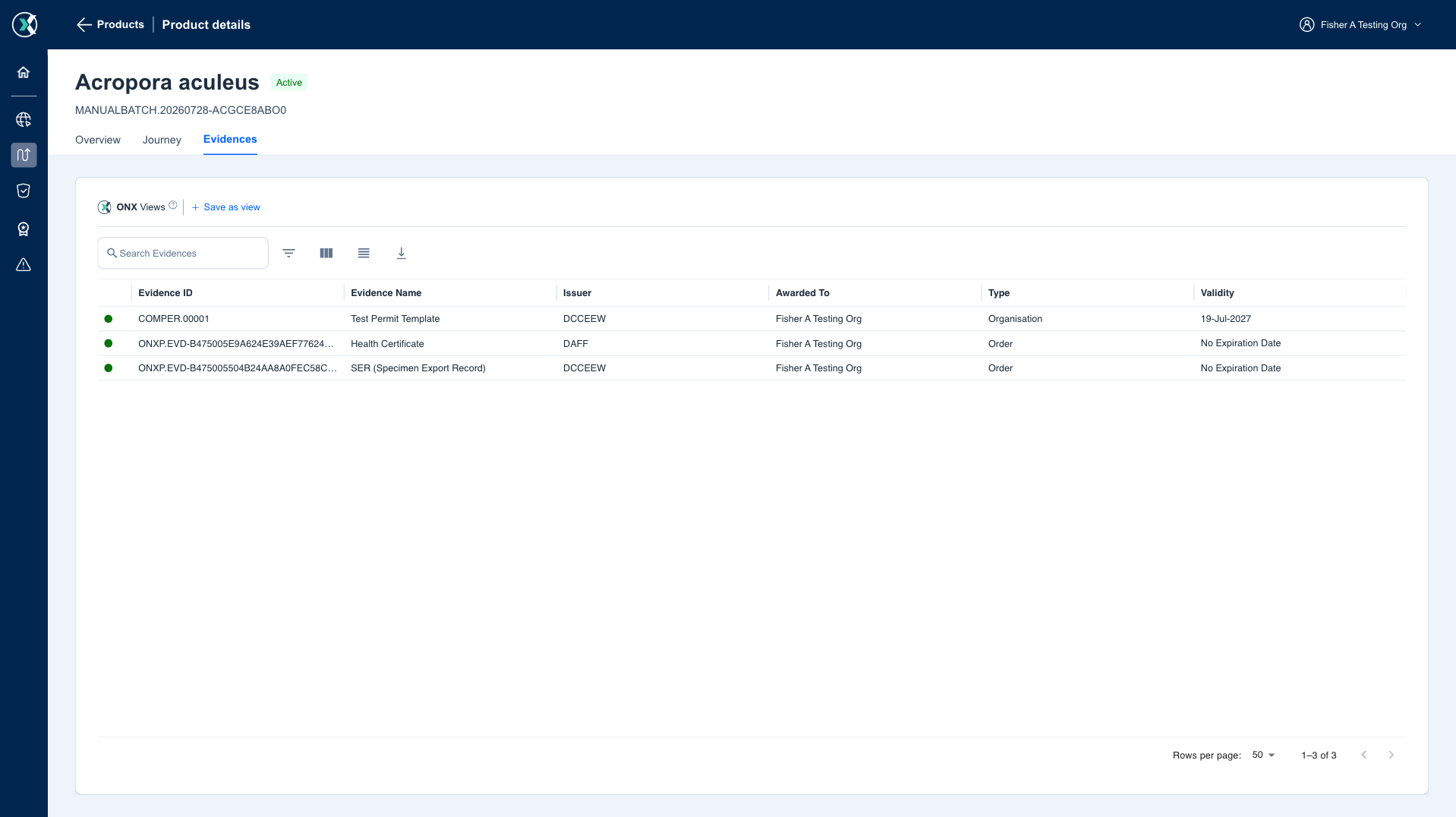
Produce the specimen-level export records needed for CITES Appendix II documentation, drawn straight from the verified digital trail.
Use a future-ready platform designed to connect with government systems and support transparent, sustainable trade.
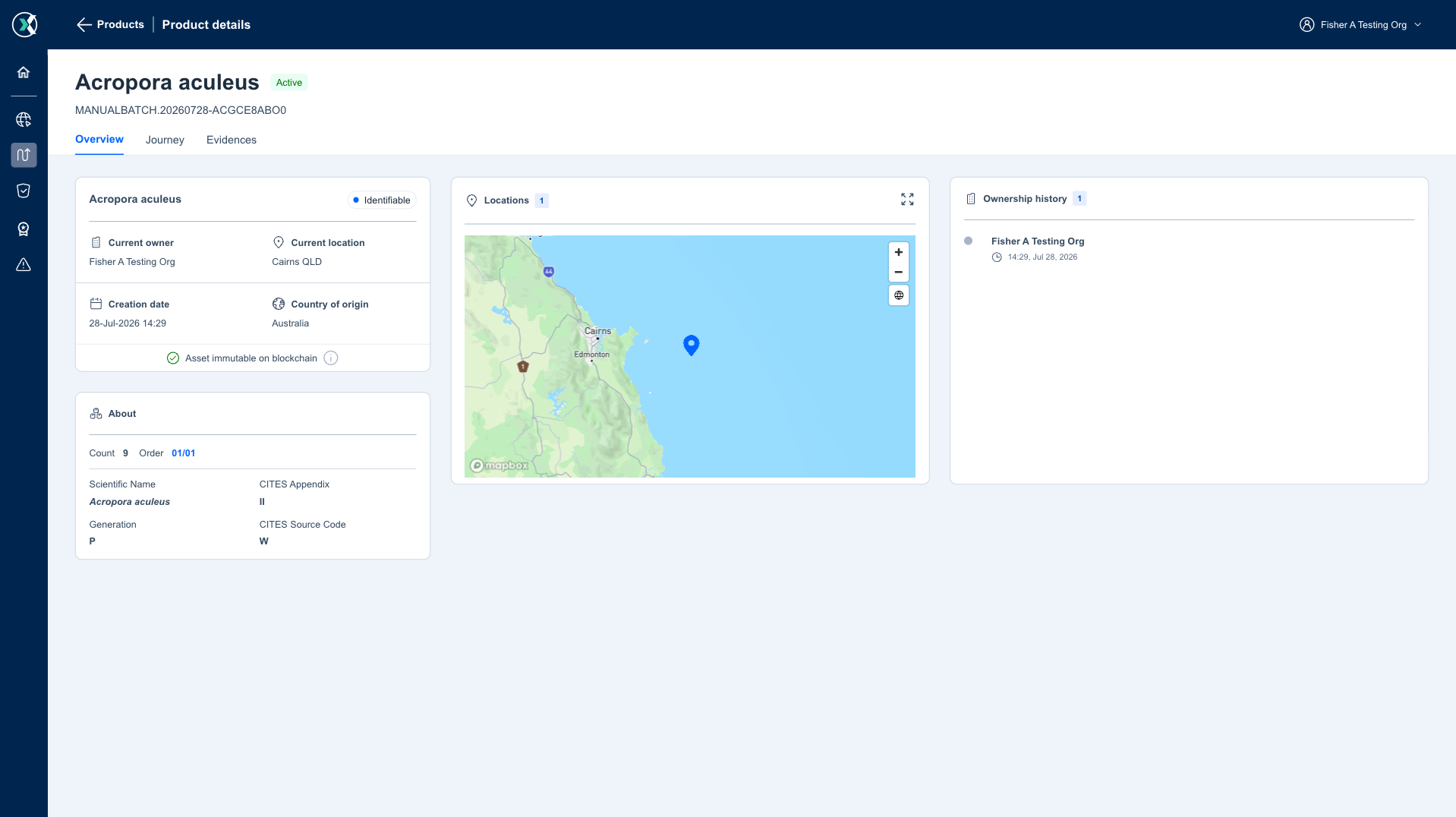
Buyers and importing Parties increasingly need to know coral is legally and sustainably sourced, and to tell farmed and captive-bred from wild. AWTS lets buyers verify provenance by scanning a specimen's tamper-proof digital ID to check origin, confirm status and view its journey.
Meet your compliance and sustainability commitments with verifiable evidence of each specimen's legal origin.
Bolster customer trust in coral from a fishery that can demonstrate its stewardship end to end.
Support importing Parties' end-of-country verification when corals arrive under an export permit.
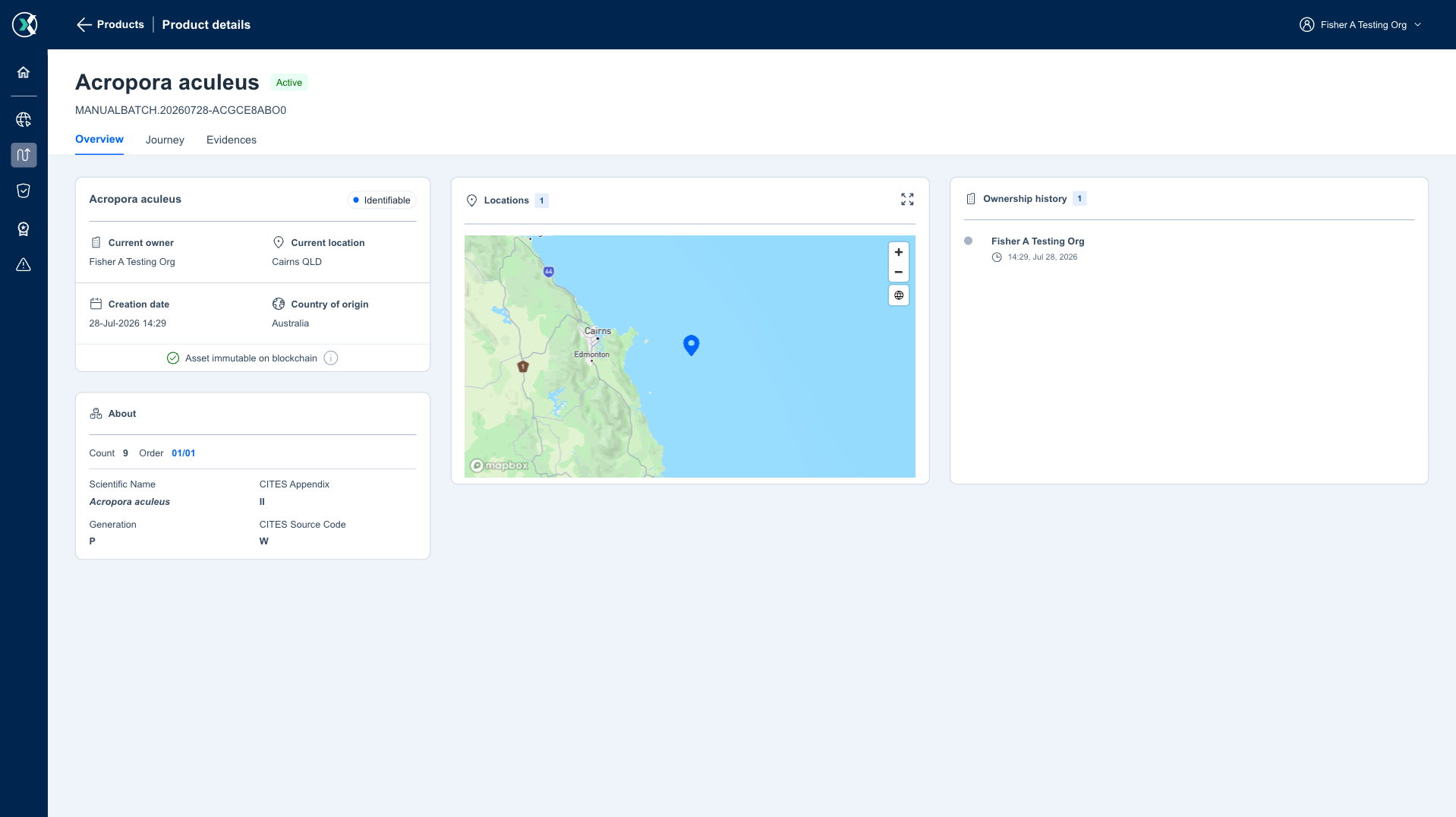
Scan a specimen's unique digital ID to view its coral passport, origin, propagation history and chain of custody from source to sale.
Distinguish wild coral from farmed and captive-bred coral at receipt, using verified 'F' and 'C' code records rather than a supplier's word.
Rely on records that are secure and not susceptible to tampering, so the provenance you see can be validated and trusted.
For CITES-listed species, legal, sustainable and traceable provenance is the condition of trade, not a nice-to-have. Australia's CITES and EPBC obligations demand evidence from breeding through to export. AWTS makes that provenance provable, turning compliance record keeping into a demonstration of stewardship.

DCCEEW starts a trial with the aquarium industry and scientists from the Australian Institute of Marine Science.

The Coral Traceability Solution moves into its Pilot and Validate phase, testing every component with industry and regulators in live operations.

The CTS team's April drop-in session covers a DCCEEW CITES permitting update and walks through the key CTS platform and mobile app flows for industry.
AWTS is a co-designed solution, built with the people who power the industry. We invite fishers, breeders, exporters and stakeholders to join the Project Engagement Group, provide direct input, test the solution and help it deliver real value for your business. Request trial access to see how verifiable traceability secures market access for sustainable aquatic wildlife.